The 2026 Week of Prayer for Christian Unity arrived this year with a grace-filled convergence. As Christians across the world lifted their hearts in prayer from January 18–25, the Church stood at the threshold of a Franciscan Jubilee Year, proclaimed by Pope Leo XIV to mark 800 year transitus of St. Francis of Assisi.
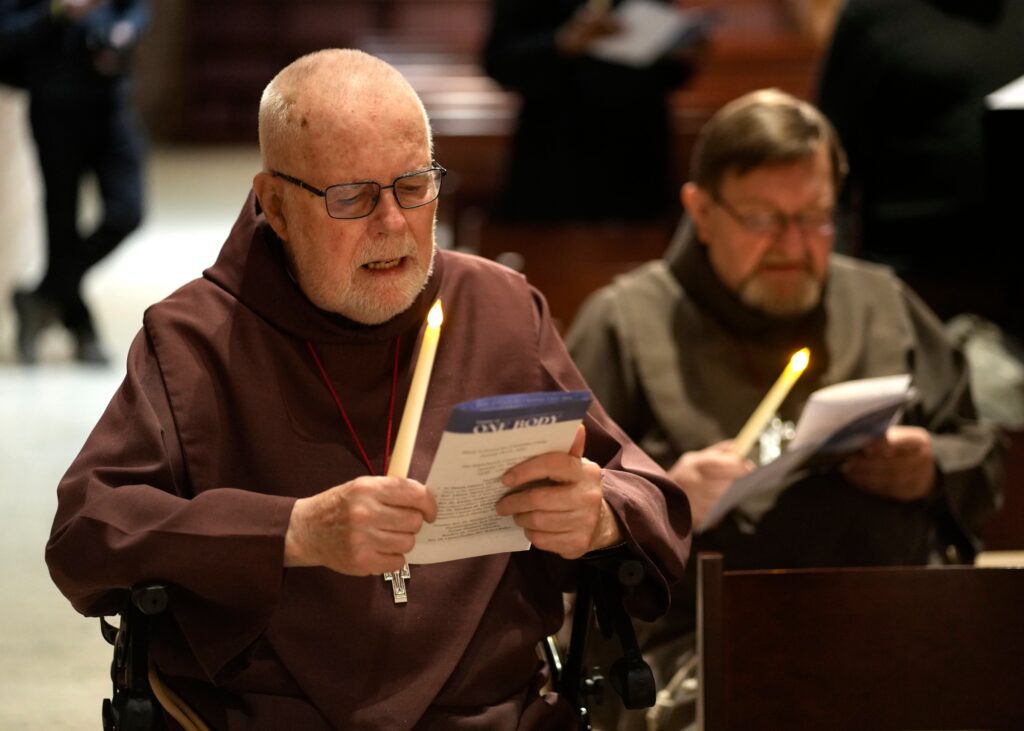
At Graymoor—the birthplace of the Week of Prayer—the theme drawn from Ephesians resounded with particular clarity: “There is one body and one Spirit… one hope of your calling.” From its origins as the Church Unity Octave founded by Father Paul of Graymoor and Mother Lurana White, the Week has always been grounded in the conviction that unity begins with conversion of heart.
One of the most meaningful developments in 2026 was the introduction of daily video reflections. Each day, voices from the community surrounding Graymoor—Friars, neighboring parishes, and ecumenical partners—offered brief meditations and reflections in the form of short videos. Shared on social media, through email, and on the Friars’ website, these reflections created a digital space where all could pause, listen and pray.
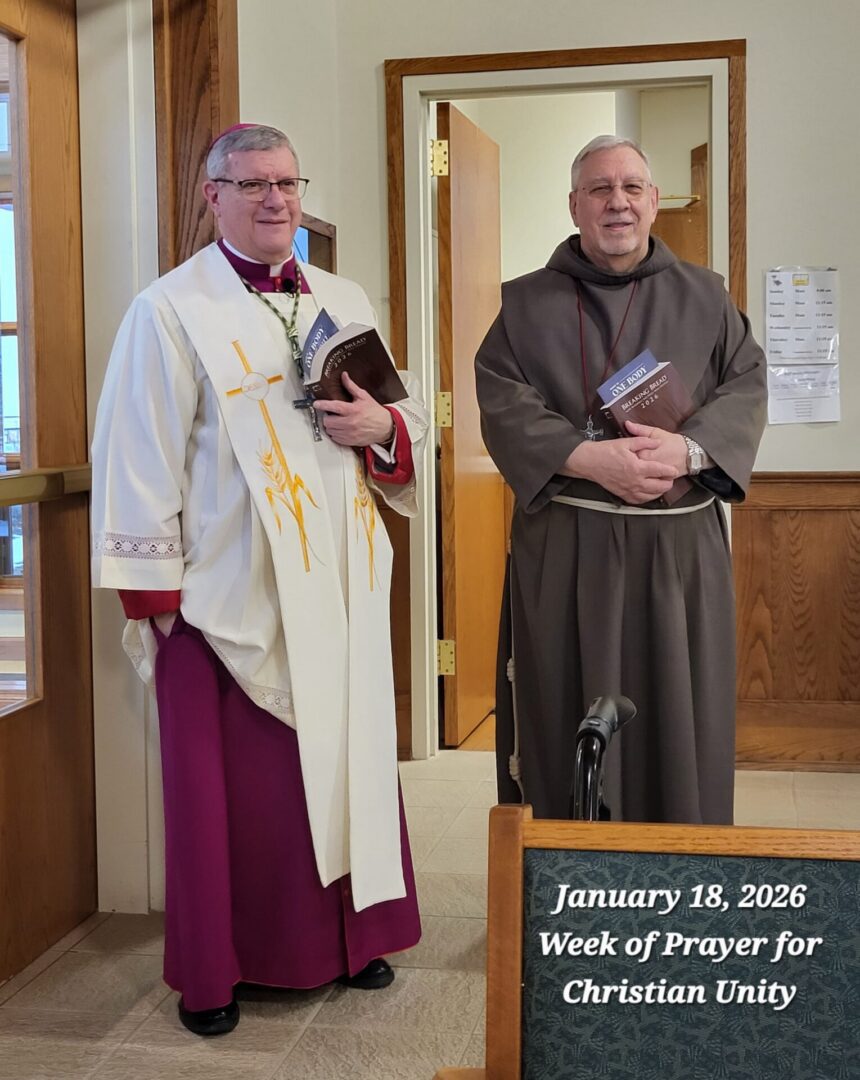
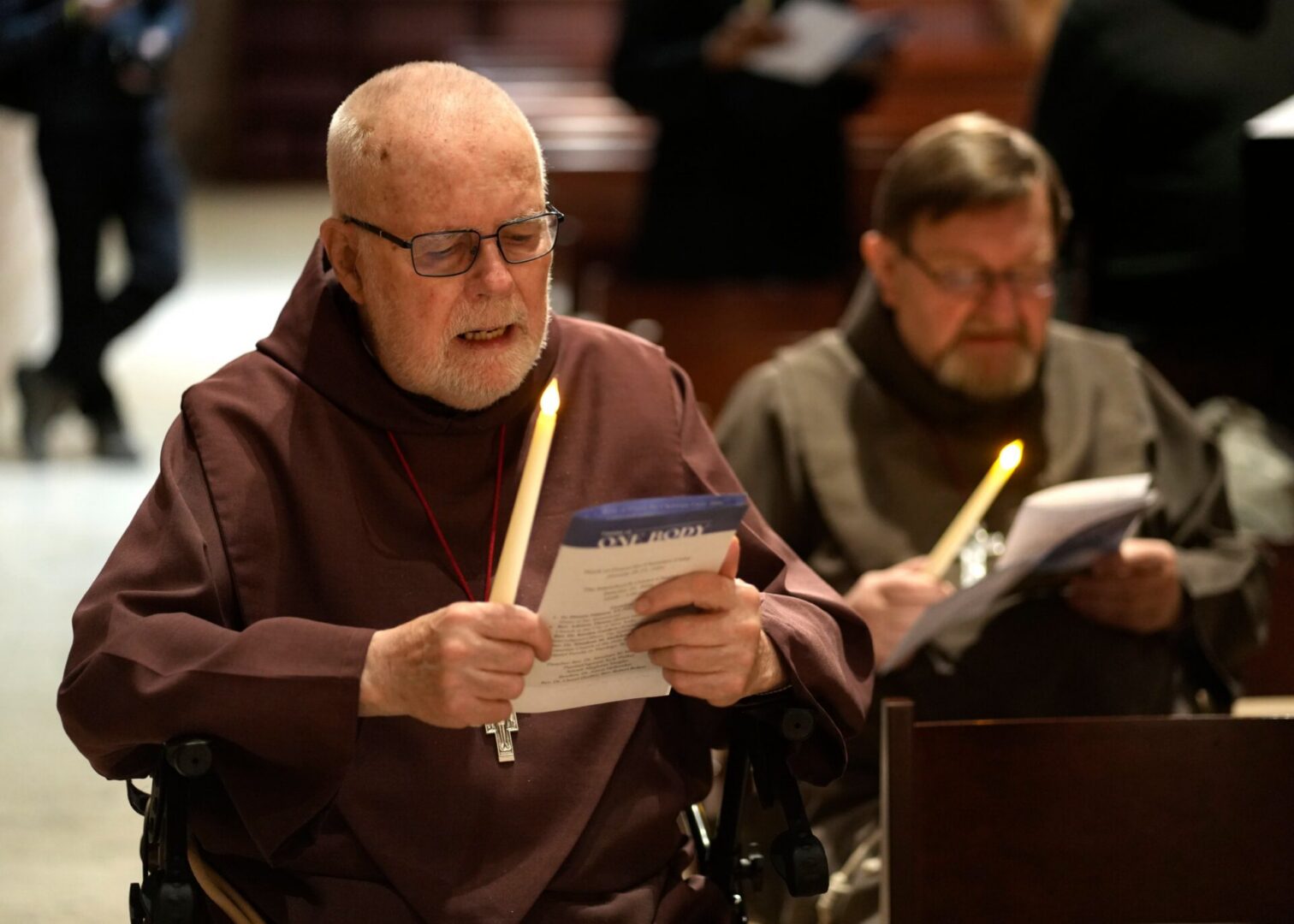
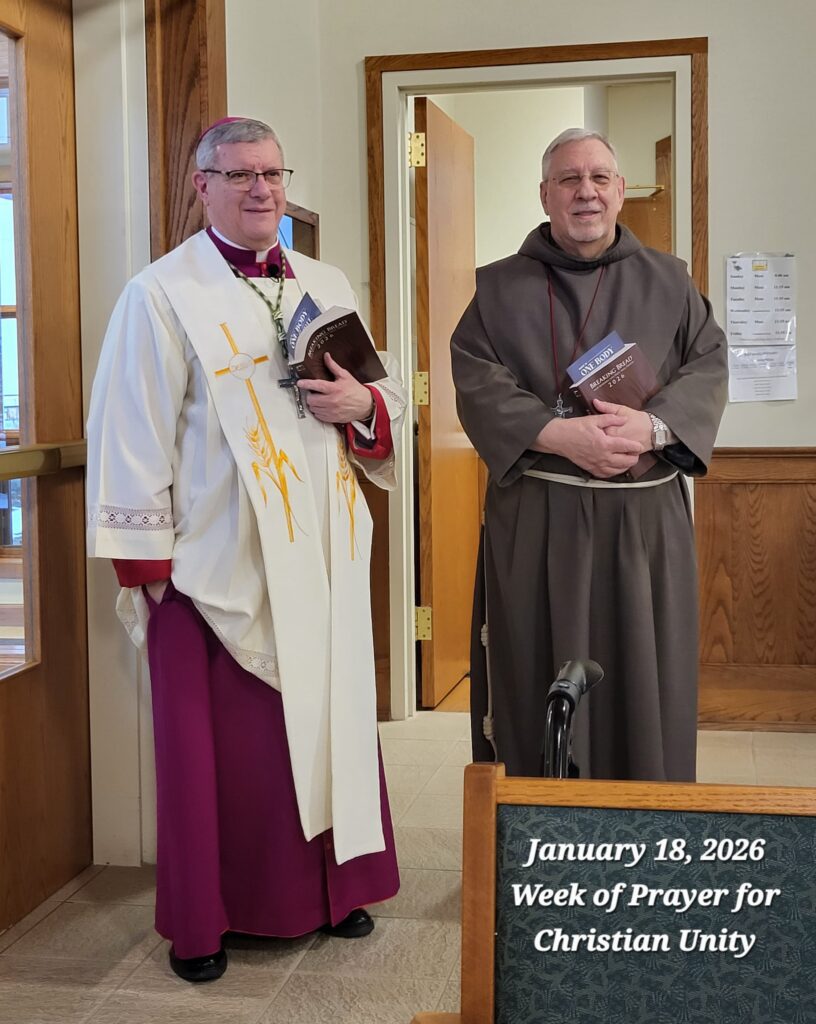
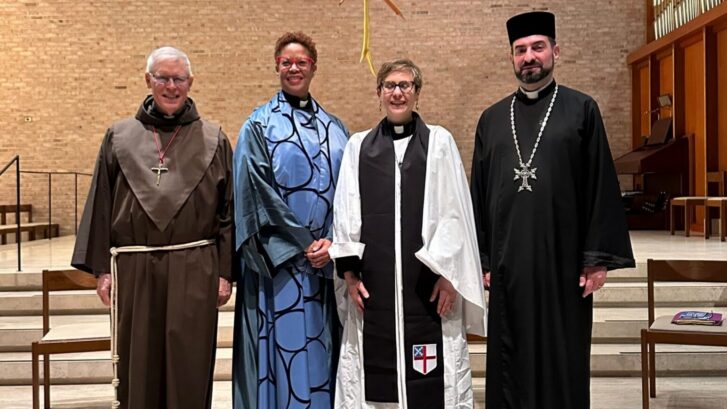
In the Hudson Valley and New York City, churches of many traditions opened their doors to one another. Episcopal, Methodist, Presbyterian, Catholic, Greek Orthodox, and Armenian Orthodox communities gathered for prayer services, Bible study, choral evensong, and an Ecumenical Service of the Word at the Interchurch Center. Again and again, themes of hope and reconciliation emerged. At Graymoor, Auxiliary Bishop Gerardo Colacicco began celebrations for the Week of Prayer with Friars and Sisters.
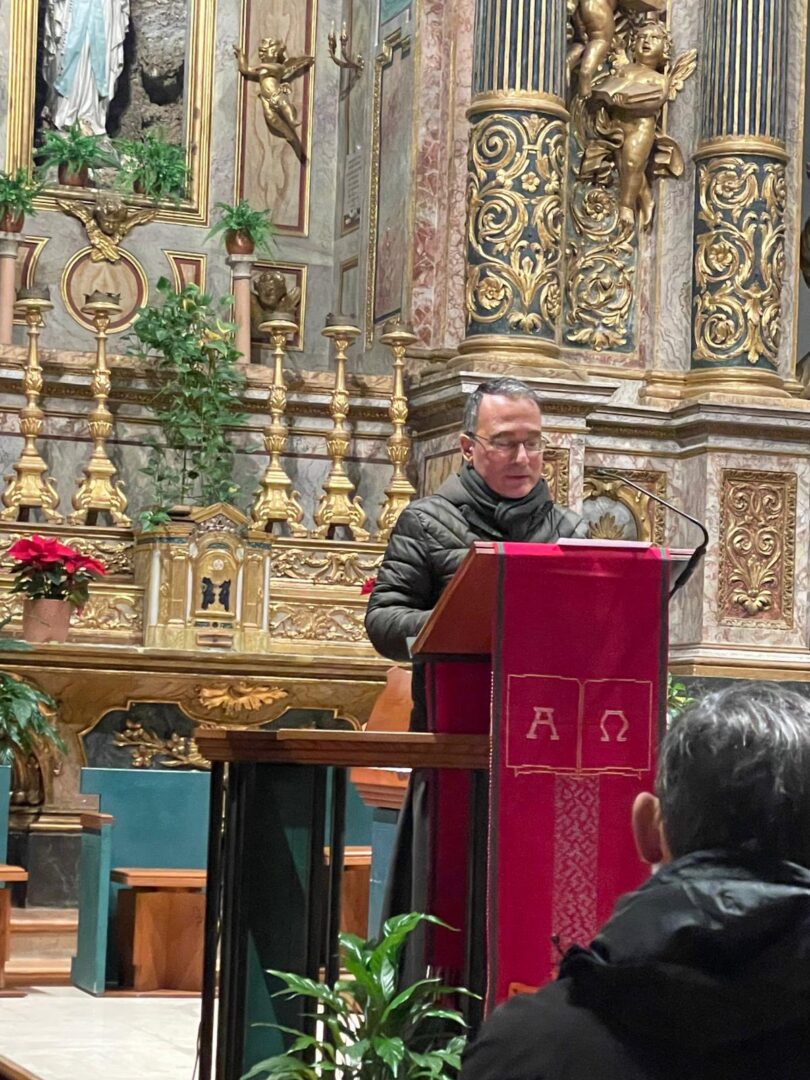
On the doorstep of the Vatican, the Week of Prayer took a contemplative and theological approach, as the Centro Pro Unione (CPU) in Rome became a meeting place for prayer, scholarship, and shared witness. The focus on the communion of martyrs, particularly the witness of Armenian Christians, offered a profound reminder that unity is often sealed not in comfort but in suffering. The notion of an “ecumenism of blood” spoke powerfully to the shared cost of discipleship and the deep bonds that already unite Christians across confessional lines.
In England, a packed parish in Southall offered thoughtful reflection on Christian hospitality toward migrants and asylum seekers. Participation in solemn ecumenical Vespers at Westminster Cathedral further underscored how shared worship can hold together tradition, beauty, and prophetic witness. In quieter moments as well—such as prayer with Friars and nursing home residents—the Week was marked by shared prayer, gentle conversation, and the quiet ministry of presence.
In Sweden, remembrance and hope intertwined. Honoring the legacy of a Lutheran leader devoted to ecumenical and humanitarian work, Christians gathered for prayer, conversation, and shared meals. The 2026 Week of Prayer culminated in contemplative prayer at Lund Cathedral, a place already marked by historic ecumenical encounters. There, silence itself became prayer—a reminder that unity often grows not through many words, but through shared listening to the Spirit.
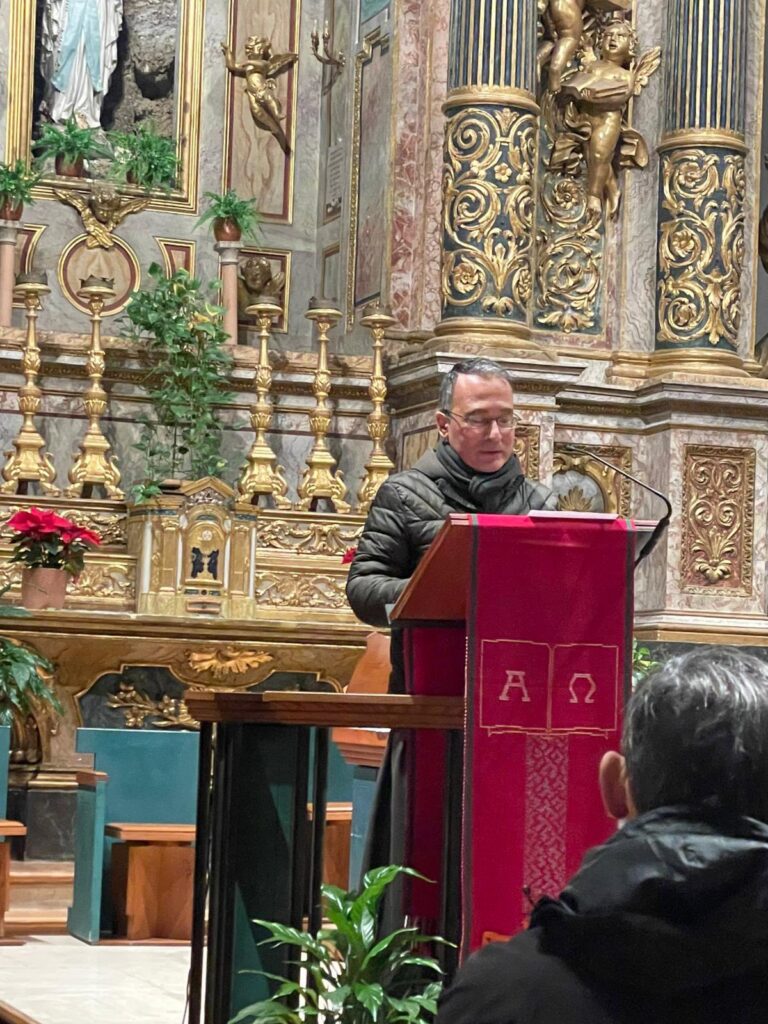
In Assisi, the 2026 Week of Prayer for Christian Unity unfolded within the dioceses of Assisi–Nocera Umbra–Gualdo Tadino and Foligno through a series of ecumenical vespers and prayer vigils held in historic churches across the region. Rooted in the city’s Franciscan identity, these celebrations gathered Christians of different traditions around the shared call to unity and hope.
The local community of the Franciscan Friars of the Atonement played an active role through their participation in the diocesan Commission for Ecumenism and Interreligious Dialogue, contributing to the organization and prayerful leadership of the Week. Faithful to their charism, the Friars helped frame unity not as an abstract ideal, but as a lived expression of prayer, encounter, and reconciliation. The Week concluded with ecumenical vespers at the Basilica of St. Mary of the Angels, linking the call to Christian unity with the enduring spiritual legacy of St. Francis during a Jubilee Year marked by renewal and hope.
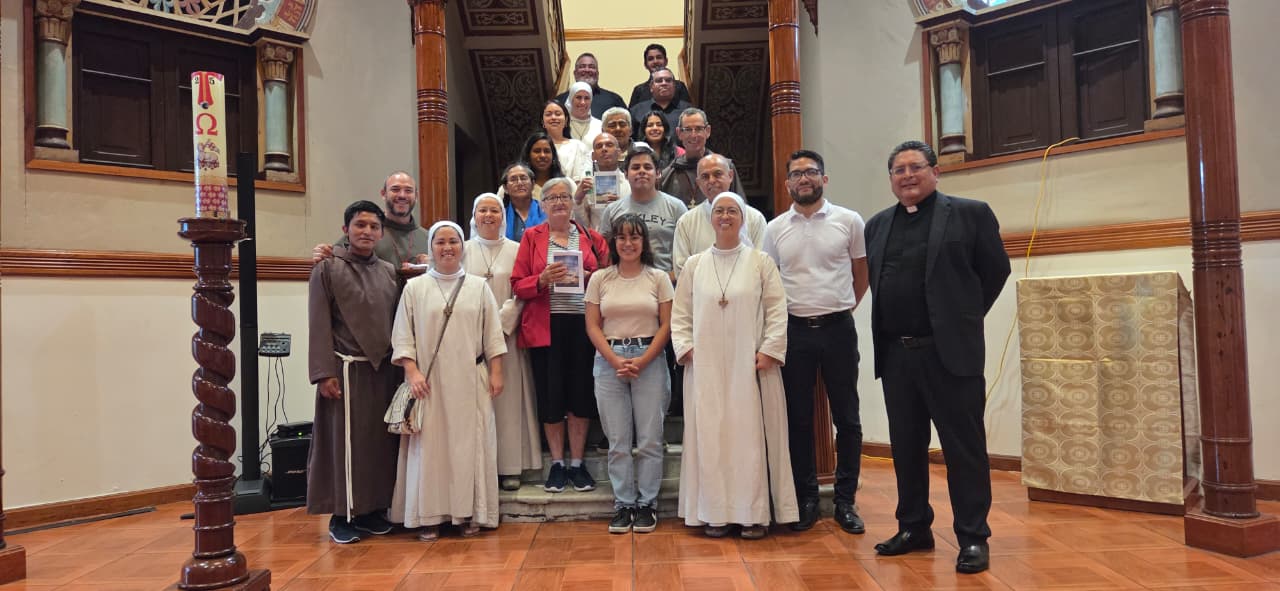
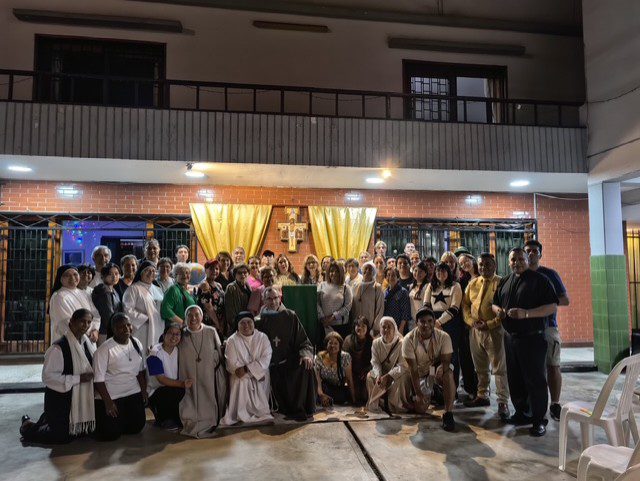
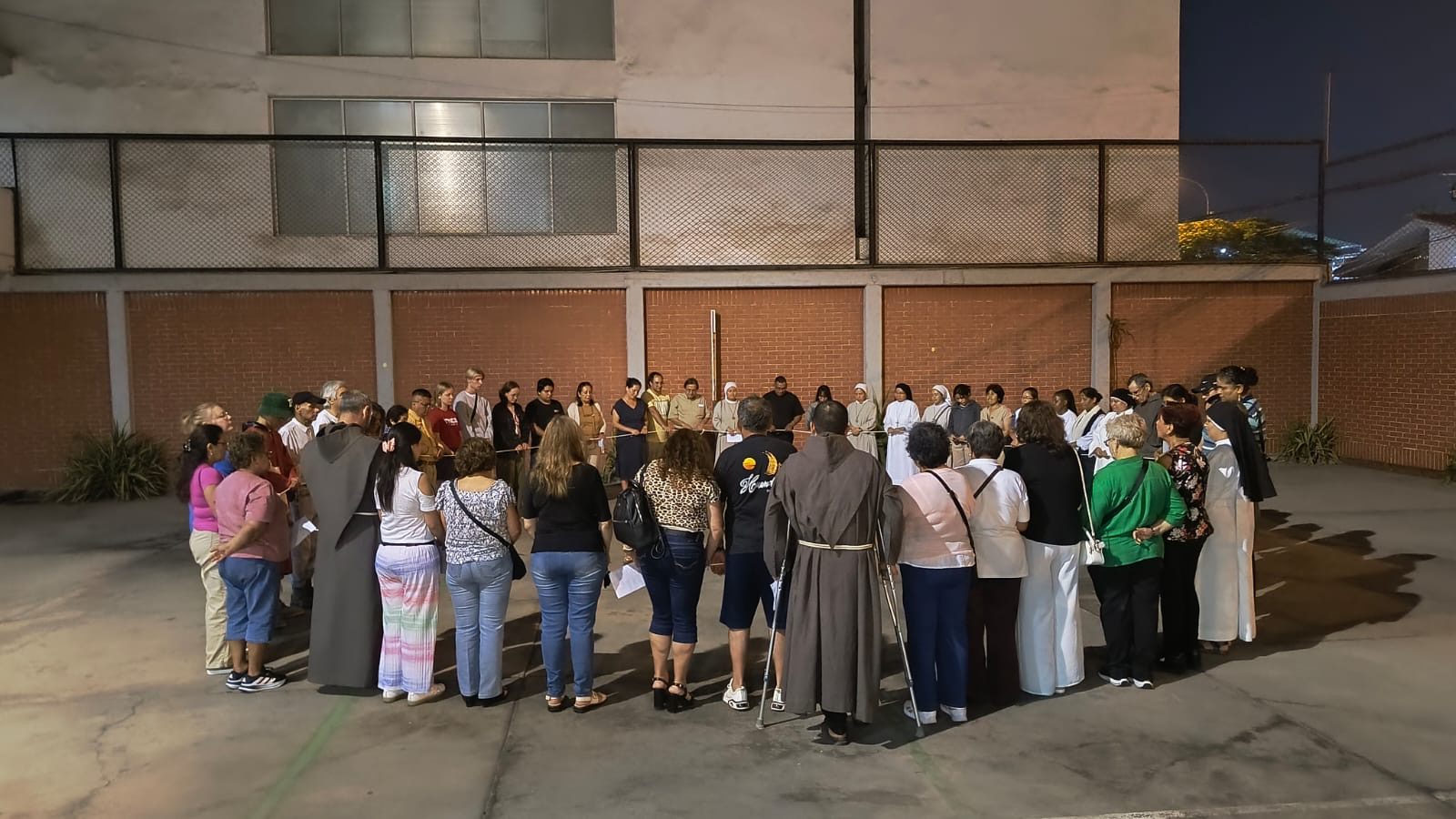
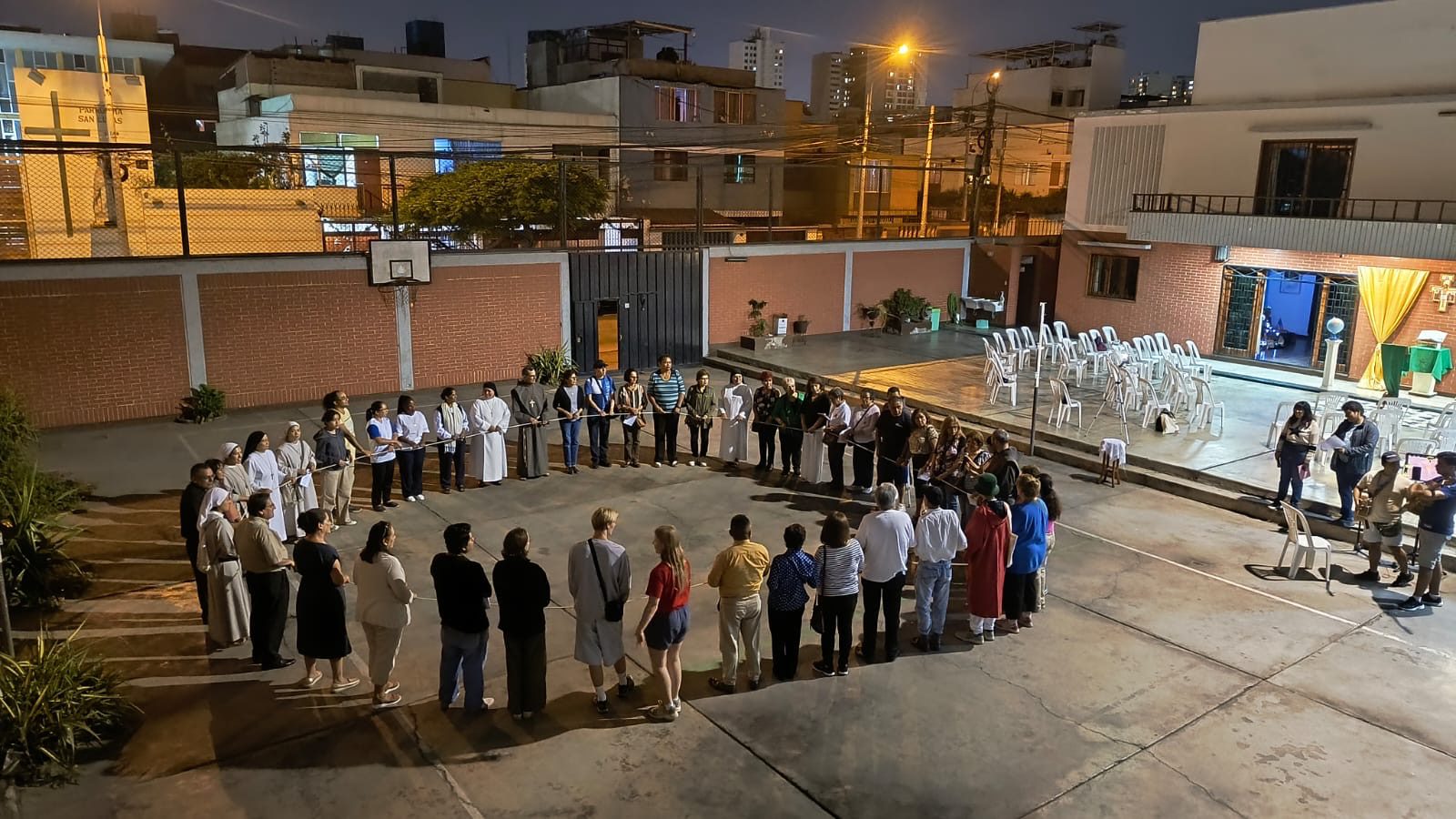
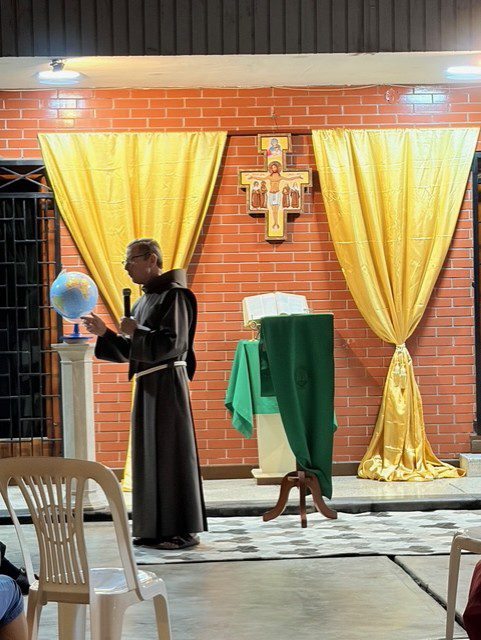
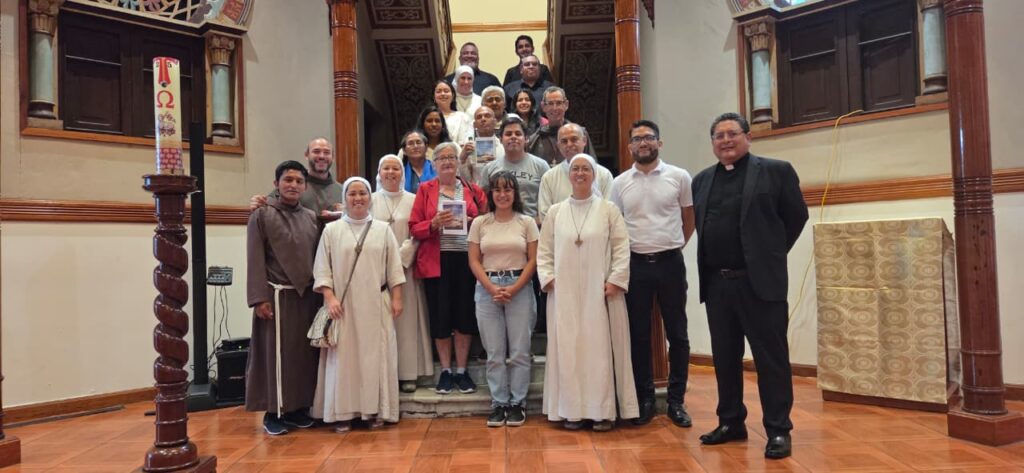
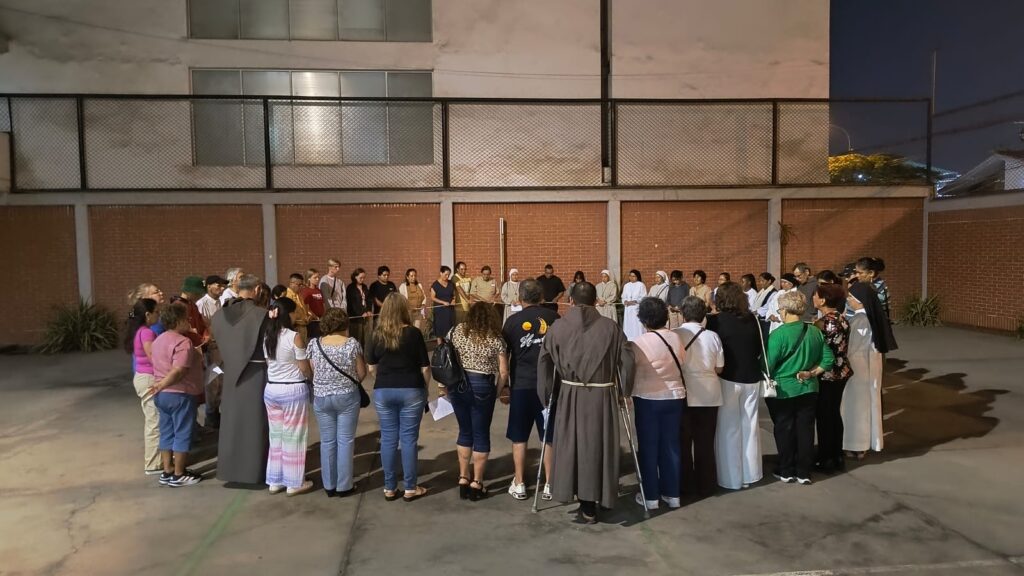
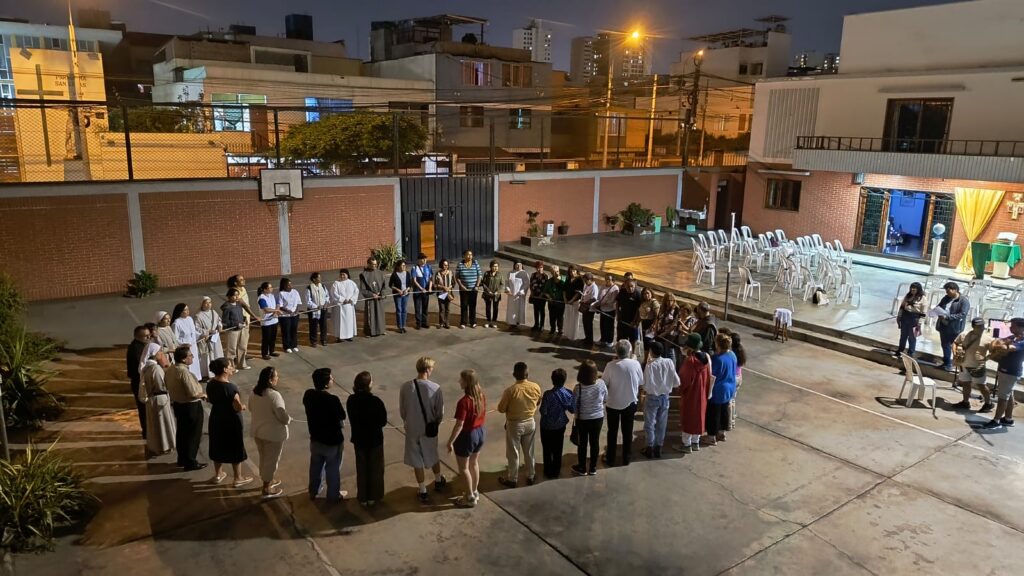
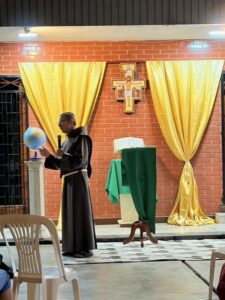
The spirit of the Week of Prayer for Christian Unity also came alive in Peru through simple, relational encounters and vibrant grassroots ecumenism. Anglican, Presbyterian, Pentecostal, Lutheran, Catholic, and YMCA representatives gathered at a formation house to pray and share fellowship. The simplicity of the gathering—Scripture, prayer, and conversation—reflected a truth well known to St. Francis: that unity flourishes where hearts are open and hospitality is sincere.
Across all our ministries, a common thread emerged. The Week of Prayer for Christian Unity in 2026 was expressed through presence, listening, and shared experience. From chapels and cathedrals to classrooms, living rooms, and digital spaces, the observance took shape through human connection rooted in faith.
Set within a Franciscan Jubilee Year, this global gathering carried particular resonance. It suggested that unity is practiced patiently—through hospitality, remembrance, shared work, and a willingness to begin again.