When we read the morning paper or watch the evening news, the experience can be discouraging. What confronts us is often the worst of humanity: images of death, destruction and chaos.
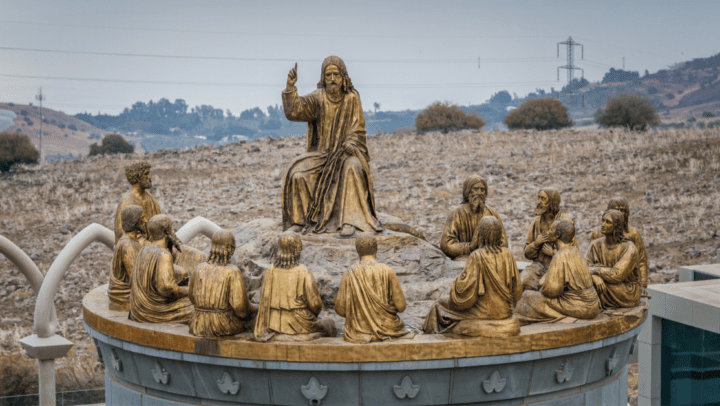
The Gospel reading today can feel strange, and even unsettling. In the Beatitudes, Jesus seems to turn the world upside down. Instead of praising the successful, the assertive, or the powerful, He tells us that the Kingdom of God is set up to reward the poor, the sad, the meek and the hungry.
I once read a story about tourists visiting the famous Carlsbad Caverns in New Mexico. While they were deep below the surface in the giant cavern, the lights suddenly went out. Among those trapped in the darkness were two children: an 8-year-old boy and his 5-year-old sister.
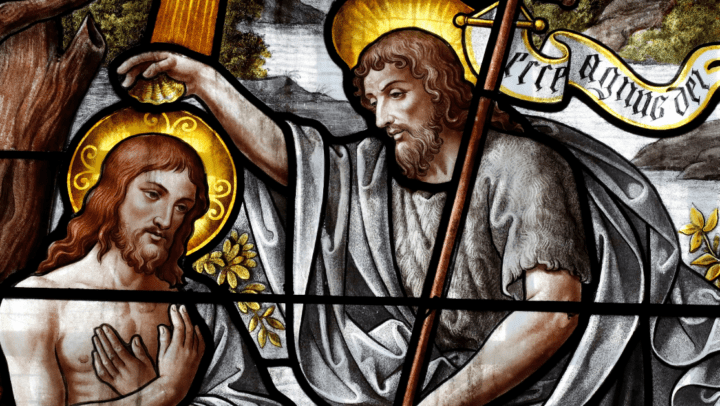
John the Baptist is not the most traditional or charming character in the Gospels. In all likelihood, he would not be on our guest list for a dinner party. His appearance is rugged, clad in camel hair, disheveled with no haircut and a long beard. His message is always loud and unfiltered: “Repent!”
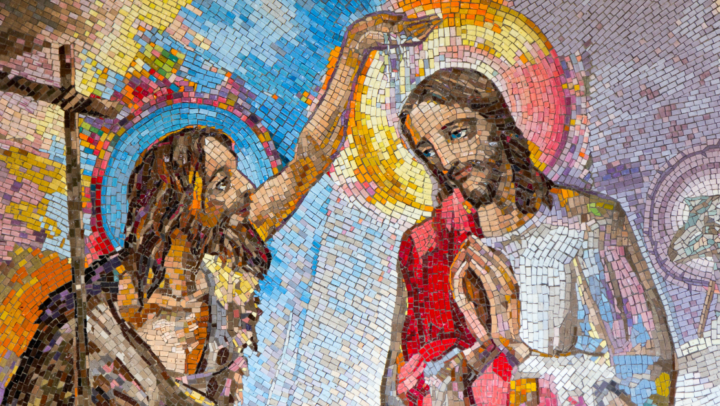
The Feast of Christ’s Baptism is quite unique. Some scholars note that the members of the early Church struggled to understand the symbolism of Jesus, the greater, receiving baptism from John, the lesser. It was a total reversal of what many expected. John himself voices this concern to Jesus. He tells Him, “It should be You baptizing me.”
This Gospel reminds us that the movement of humankind towards God always begins with God Himself. In choosing to enter our world, God embraced direct involvement rather than untouchable distance.
In June of 1947, a famous book was published titled “The Diary of a Young Girl.” It is known to most of us as, “The Diary of Anne Frank.” Today, it’s read in countless middle schools across the world.
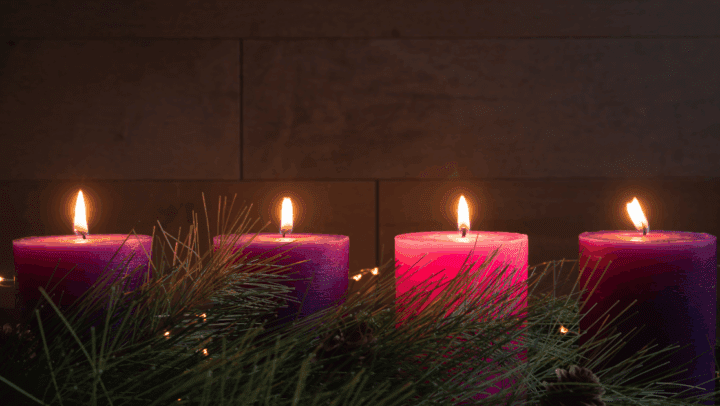
In our society, and in many others, lighted candles are used when one or more of three things are present: joy, devotion and love. We light candles at birthday parties, weddings, anniversaries, and, of course, at Mass each week.
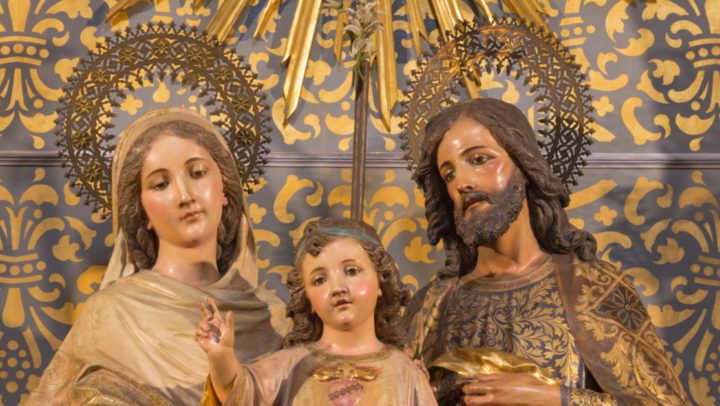
Today’s Gospel focuses on Joseph, the quiet, steadfast figure who we often call the Foster Father of Jesus. He is sometimes the most overlooked person in the Christmas story, yet his faith and obedience made all the difference.
During the 1960s and early 1970s, the “peace sign” seemed to be everywhere. It appeared on T-shirts, jewelry, flags. It was even painted on walls and stitched onto blue jeans. It’s a simple design – a circle divided by lines forming a kind of broken cross. It became a symbol of protest, hope and unity. The sign made a comeback in the 1990s, but few people today know its true origin or intended meaning.